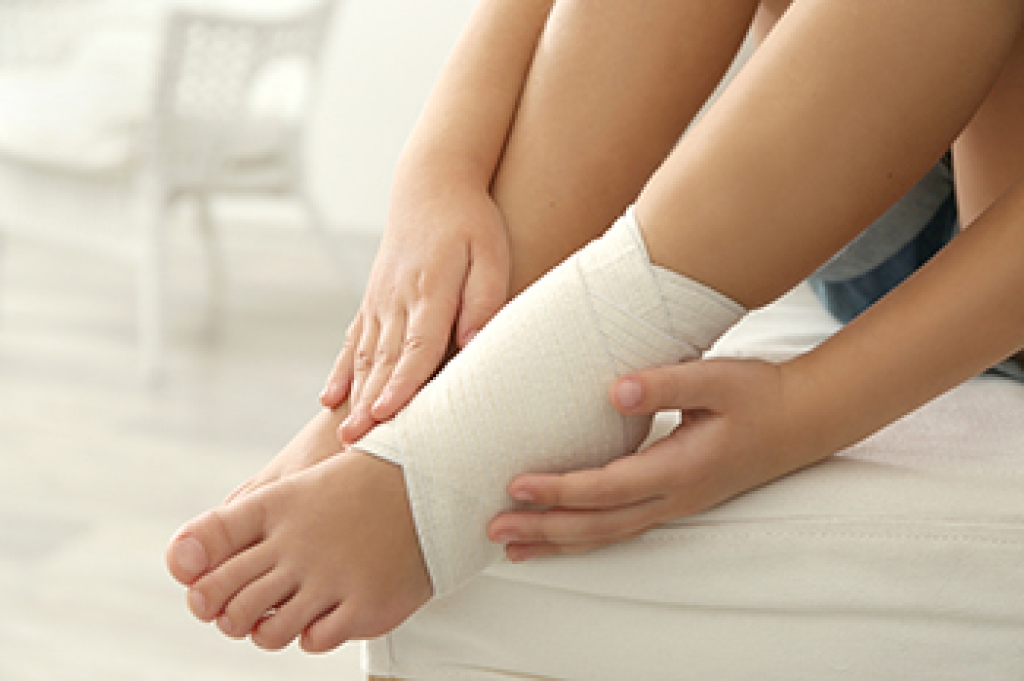
Inspect Your Feet Regularly for Abnormalities if You're Diabetic

Diabetic patients often have decreased sensitivity in their feet, which makes a visual inspection of the feet even more important. If you're diabetic, having periodic screenings is extremely important for maintaining the overall health of your feet. 

Off-Loading Practices for a Wounded Foot

Off-loading is essential for promoting healing in a wounded foot, as it reduces pressure on the affected area and prevents further damage. By redistributing weight away from the wound, off-loading minimizes pain, enhances blood flow, and accelerates tissue repair. Common methods include wearing specialized footwear, such as surgical shoes, total contact casts, or orthotic inserts, which cushion and protect the foot while allowing limited mobility. For severe wounds, crutches, knee scooters, or wheelchairs may be recommended to completely off-load weight. Regularly elevating the foot also helps reduce swelling and improve circulation. It is vital to keep weight off the wound to avoid reopening or worsening the injury. Proper off-loading techniques depend on the type, location, and severity of the wound. To ensure effective care and recovery, it is suggested that you consult a podiatrist for a personalized treatment plan.

Wound care is an important part in dealing with diabetes. If you have diabetes and a foot wound or would like more information about wound care for diabetics, consult with one of our podiatrists from Greater Boston Foot Care, PLLC. Our doctors will assess your condition and provide you with quality foot and ankle treatment.

What Is Wound Care?

Wound care is the practice of taking proper care of a wound. This can range from the smallest to the largest of wounds. While everyone can benefit from proper wound care, it is much more important for diabetics. Diabetics often suffer from poor blood circulation which causes wounds to heal much slower than they would in a non-diabetic. 

What Is the Importance of Wound Care?

While it may not seem apparent with small ulcers on the foot, for diabetics, any size ulcer can become infected. Diabetics often also suffer from neuropathy, or nerve loss. This means they might not even feel when they have an ulcer on their foot. If the wound becomes severely infected, amputation may be necessary. Therefore, it is of the upmost importance to properly care for any and all foot wounds.

How to Care for Wounds

The best way to care for foot wounds is to prevent them. For diabetics, this means daily inspections of the feet for any signs of abnormalities or ulcers. It is also recommended to see a podiatrist several times a year for a foot inspection. If you do have an ulcer, run the wound under water to clear dirt from the wound; then apply antibiotic ointment to the wound and cover with a bandage. Bandages should be changed daily and keeping pressure off the wound is smart. It is advised to see a podiatrist, who can keep an eye on it.

If you have any questions please contact our office located in Plymouth, MA . We offer the newest diagnostic and treatment technologies for all your foot and ankle needs.

Read more about Wound Care

Cuboid Syndrome Facts

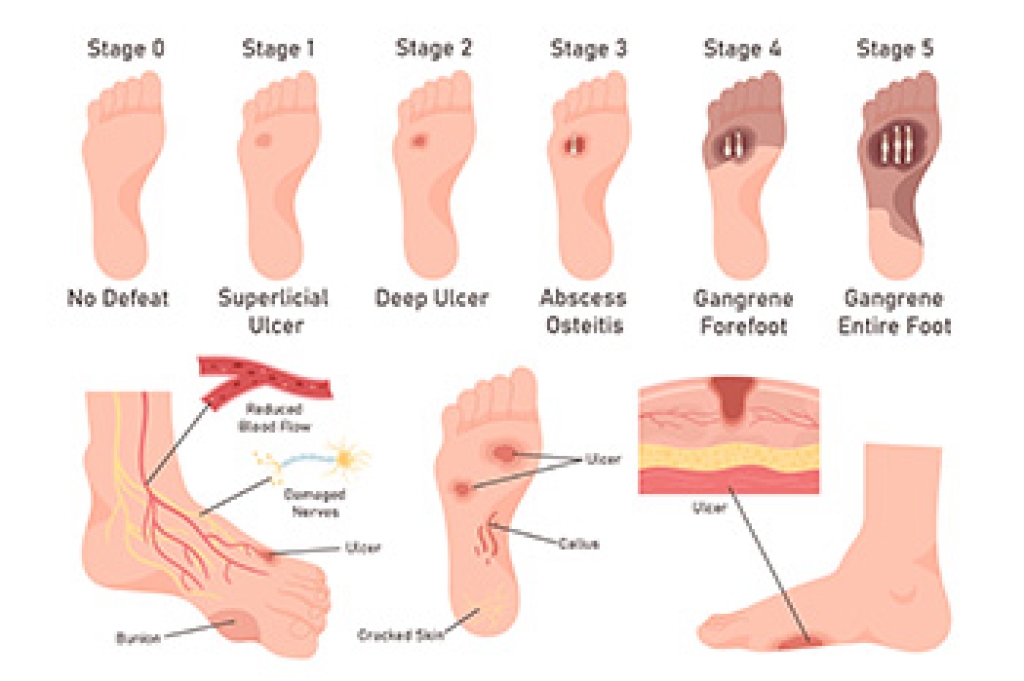
Cuboid syndrome is a condition that affects the cuboid bone, located on the outer side of the foot. This bone plays a key role in maintaining foot stability and mobility. The condition typically occurs when the cuboid bone becomes displaced or misaligned due to excessive stress or injury. The most common causes include ankle sprains, overuse, or repetitive movements that put strain on the foot. Symptoms of cuboid syndrome often include sharp pain on the outer side of the foot, difficulty bearing weight, swelling, and a feeling of instability while walking or running. In some cases, individuals may also experience tenderness when pressure is applied to the cuboid bone. To diagnose cuboid syndrome, a podiatrist will conduct a physical examination, focusing on foot movement of the affected area. X-rays or other imaging tests may be used to rule out fractures or other potential injuries. If you have pain on the outside of your foot, it is suggested that you contact a podiatrist who can accurately diagnose and treat cuboid syndrome.

Cuboid syndrome, also known as cuboid subluxation, occurs when the joints and ligaments near the cuboid bone in the foot become torn. If you have cuboid syndrome, consult with one of our podiatrists from Greater Boston Foot Care, PLLC. Our doctors will assess your condition and provide you with quality foot and ankle treatment.

Cuboid syndrome is a common cause of lateral foot pain, which is pain on the outside of the foot. The condition may happen suddenly due to an ankle sprain, or it may develop slowly overtime from repetitive tension through the bone and surrounding structures.

Causes

The most common causes of cuboid syndrome include:

  • Injury – The most common cause of this ailment is an ankle sprain.
  • Repetitive Strain – Tension placed through the peroneus longus muscle from repetitive activities such as jumping and running may cause excessive traction on the bone causing it to sublux.
  • Altered Foot Biomechanics – Most people suffering from cuboid subluxation have flat feet.

Symptoms

A common symptom of cuboid syndrome is pain along the outside of the foot which can be felt in the ankle and toes. This pain may create walking difficulties and may cause those with the condition to walk with a limp.

Diagnosis

Diagnosis of cuboid syndrome is often difficult, and it is often misdiagnosed. X-rays, MRIs and CT scans often fail to properly show the cuboid subluxation. Although there isn’t a specific test used to diagnose cuboid syndrome, your podiatrist will usually check if pain is felt while pressing firmly on the cuboid bone of your foot.

Treatment

Just as the range of causes varies widely, so do treatments. Some more common treatments are ice therapy, rest, exercise, taping, and orthotics.

If you have any questions, please feel free to contact our office located in Plymouth, MA . We offer the newest diagnostic and treatment technologies for all your foot care needs.

Read more about Cuboid Syndrome

Essential Foot Care for High-Risk Diabetic Feet

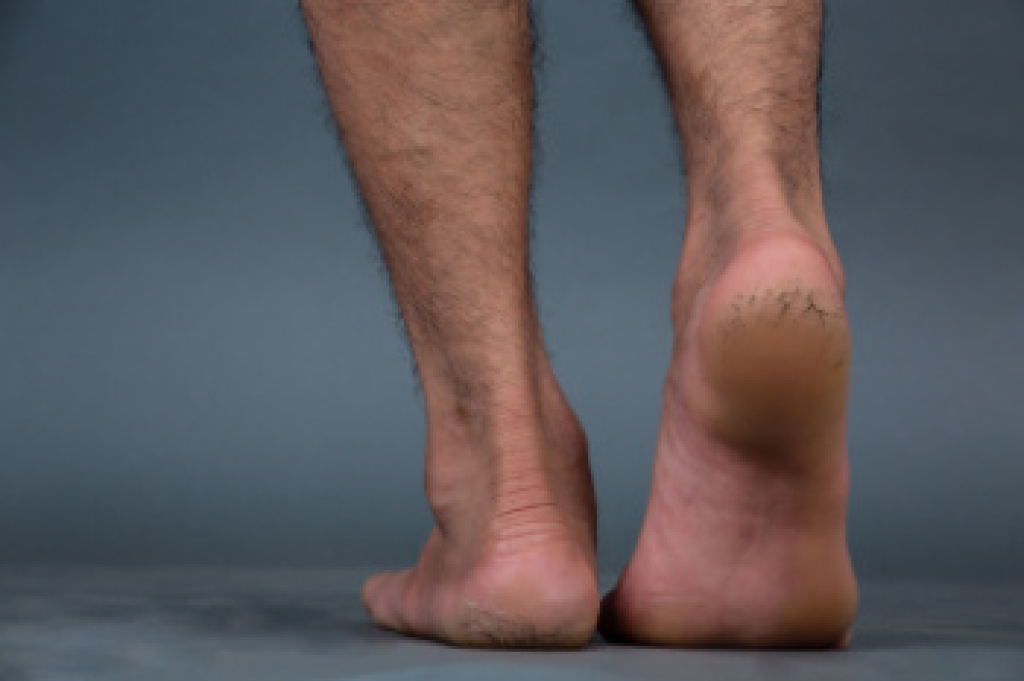
Diabetic foot care is imperative for individuals with a high-risk diabetic foot, as they are more prone to complications like ulcers, infections, and amputations. High-risk factors include neuropathy, poor circulation, and a history of foot ulcers. Daily foot inspections are essential to spot cuts, blisters, or color changes early. Proper hygiene, including washing and thoroughly drying feet, helps prevent infections. Moisturize dry skin, but avoid areas between the toes to reduce fungal growth. Always wear properly fitting shoes and padded socks to avoid pressure points. Regular podiatric visits can help monitor foot health and manage issues before they worsen. Blood sugar control is vital, as elevated levels impair healing and increase infection risks. If you are at high risk for diabetic foot problems, it is suggested that you maintain vigilance and follow a tailored care plan prescribed by a podiatrist to reduce complications and preserve foot health.

Diabetic foot care is important in preventing foot ailments such as ulcers. If you are suffering from diabetes or have any other concerns about your feet, contact one of our podiatrists from Greater Boston Foot Care, PLLC. Our doctors can provide the care you need to keep you pain-free and on your feet.

Diabetic Foot Care

Diabetes affects millions of people every year. The condition can damage blood vessels in many parts of the body, especially the feet. Because of this, taking care of your feet is essential if you have diabetes, and having a podiatrist help monitor your foot health is highly recommended.

The Importance of Caring for Your Feet

  • Routinely inspect your feet for bruises or sores.
  • Wear socks that fit your feet comfortably.
  • Wear comfortable shoes that provide adequate support.

Patients with diabetes should have their doctor monitor their blood levels, as blood sugar levels play such a huge role in diabetic care. Monitoring these levels on a regular basis is highly advised.

It is always best to inform your healthcare professional of any concerns you may have regarding your feet, especially for diabetic patients. Early treatment and routine foot examinations are keys to maintaining proper health, especially because severe complications can arise if proper treatment is not applied.

If you have any questions, please feel free to contact our office located in Plymouth, MA . We offer the newest diagnostic and treatment technologies for all your foot care needs.
Read more about Diabetic Foot Conditions

Walking and Running Shoes and Their Impact on the Feet

Walking and running shoes are designed to meet the specific demands placed on the feet during each activity. Walking shoes typically have a more flexible sole to accommodate the natural rolling motion of the foot as it strikes the ground. They offer cushioning in the heel and arch to provide comfort during prolonged periods of walking. In contrast, running shoes are built to handle the higher impact and repetitive force that running creates. They feature more advanced cushioning, especially in the heel and forefoot, to absorb shock and reduce strain on the joints. Running shoes also offer more support in the midsole to help stabilize the foot during high-impact activities. While walking shoes focus on comfort and support for slower, low-impact movements, running shoes are engineered to provide durability and protection for the faster, more intense demands of running. If you have sustained a foot injury from wearing the wrong shoes for your desired sport, it is suggested that you visit a podiatrist who can treat various foot conditions, and educate you on appropriate shoes to wear.

For more information about walking shoes versus running shoes, consult with one of our podiatrists from Greater Boston Foot Care, PLLC. Our doctors can measure your feet to determine what your needs are and help you find an appropriate pair of footwear.

Foot Health: The Differences between Walking & Running Shoes

There are great ways to stay in shape: running and walking are two great exercises to a healthy lifestyle. It is important to know that running shoes and walking shoes are not interchangeable. There is a key difference on how the feet hit the ground when someone is running or walking. This is why one should be aware that a shoe is designed differently for each activity.

You may be asking yourself what the real differences are between walking and running shoes and the answers may shock you.

Differences

Walking doesn’t involve as much stress or impact on the feet as running does. However, this doesn’t mean that you should be any less prepared. When you’re walking, you land on your heels and have your foot roll forward. This rolling motion requires additional support to the feet.

Flexibility – Walking shoes are designed to have soft, flexible soles. This allows the walker to push off easily with each step.

If you have any questions, please feel free to contact our office located in Plymouth, MA . We offer the newest diagnostic and treatment technologies for all your foot care needs.
Read more about Differences between Walking and Running Shoes

Connect With Us