
Connect With Us

Gout, a type of inflammatory arthritis, is caused by the buildup of uric acid crystals in the joints, often affecting the big toe. It occurs when the body produces too much uric acid or fails to eliminate it properly, leading to sudden and severe joint pain. Symptoms include intense pain, redness, swelling, and warmth in the affected joint. During a gout attack, even light touch or movement can be excruciating. The skin over the joint may appear shiny or peeling. Treatment focuses on managing pain and reducing uric acid levels through medications, lifestyle changes, and dietary adjustments. A podiatrist can help diagnose gout with physical exams and lab tests, recommend effective treatments, and provide advice on preventing future flare-ups. Early intervention can reduce pain and help prevent joint damage. If you have gout, it is suggested that you are under the care of a podiatrist who can help you to manage this painful condition.
Gout is a painful condition that can be treated. If you are seeking treatment, contact one of our podiatrists from Greater Boston Foot Care, PLLC. Our doctors will treat your foot and ankle needs.
What Is Gout?
Gout is a form of arthritis that is characterized by sudden, severe attacks of pain, redness, and tenderness in the joints. The condition usually affects the joint at the base of the big toe. A gout attack can occur at any random time, such as the middle of the night while you are asleep.
Symptoms
Risk Factors
Prior to visiting your podiatrist to receive treatment for gout, there are a few things you should do beforehand. If you have gout you should write down your symptoms--including when they started and how often you experience them, important medical information you may have, and any questions you may have. Writing down these three things will help your podiatrist in assessing your specific situation so that he or she may provide the best route of treatment for you.
If you have any questions, please feel free to contact our office located in Plymouth, MA . We offer the newest diagnostic and treatment technologies for all your foot care needs.

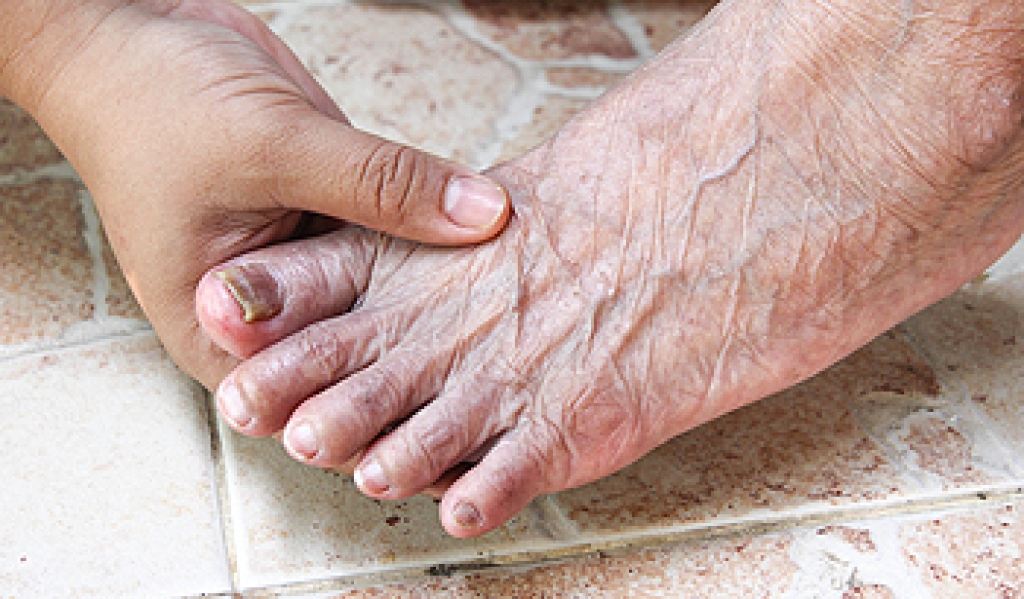
A diabetic foot ulcer is an open wound or sore that develops on the foot, commonly in individuals with diabetes. It is caused by a combination of poor circulation, nerve damage, and delayed wound healing. Symptoms include redness, swelling, drainage, and, in some cases, infection or foul odor. Among the risk factors are uncontrolled blood sugar, poor foot hygiene, wearing ill-fitting shoes, and a history of foot ulcers. Proper management involves keeping the wound clean, relieving pressure, and monitoring for infection. A podiatrist plays a critical role by providing wound care, custom footwear options, and education to prevent complications. If you have diabetes, it is suggested that you are under the care of a podiatrist who can help you to manage this serious condition.
Diabetic foot care is important in preventing foot ailments such as ulcers. If you are suffering from diabetes or have any other concerns about your feet, contact one of our podiatrists from Greater Boston Foot Care, PLLC. Our doctors can provide the care you need to keep you pain-free and on your feet.
Diabetic Foot Care
Diabetes affects millions of people every year. The condition can damage blood vessels in many parts of the body, especially the feet. Because of this, taking care of your feet is essential if you have diabetes, and having a podiatrist help monitor your foot health is highly recommended.
The Importance of Caring for Your Feet
Patients with diabetes should have their doctor monitor their blood levels, as blood sugar levels play such a huge role in diabetic care. Monitoring these levels on a regular basis is highly advised.
It is always best to inform your healthcare professional of any concerns you may have regarding your feet, especially for diabetic patients. Early treatment and routine foot examinations are keys to maintaining proper health, especially because severe complications can arise if proper treatment is not applied.
If you have any questions, please feel free to contact our office located in Plymouth, MA . We offer the newest diagnostic and treatment technologies for all your foot care needs.
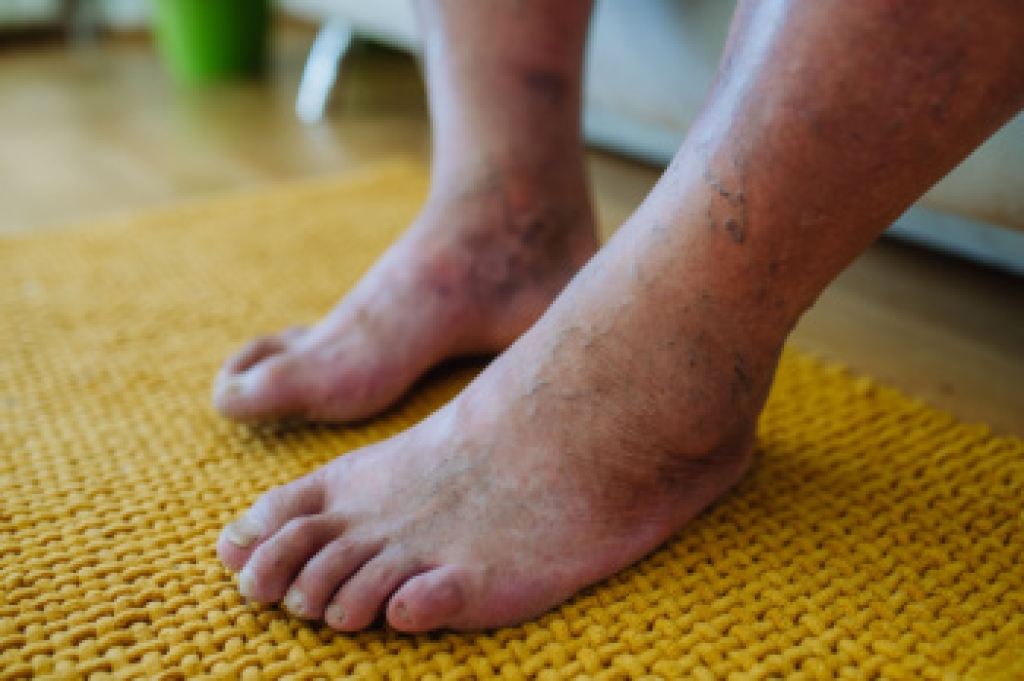
Morton’s neuroma is a nerve issue that most often develops between the third and fourth toes. It can feel like a small pebble is stuck in your shoe or a burning or tingling sensation in the ball of the foot. Some people notice numbness that comes and goes, especially when wearing tight shoes or walking for long periods of time. The pain may improve when shoes are removed or the foot is rubbed, but the symptoms often return. Over time, the discomfort can become more frequent or intense. Without treatment, daily activities may become difficult. Because Morton’s neuroma involves a thickened nerve, early care can help avoid further irritation. If you are noticing strange sensations or pain in your forefoot, it is suggested that you see a podiatrist for a thorough exam and a clear plan for relief.
Morton’s neuroma is a very uncomfortable condition to live with. If you think you have Morton’s neuroma, contact one of our podiatrists of Greater Boston Foot Care, PLLC. Our doctors will attend to all of your foot care needs and answer any of your related questions.
Morton’s Neuroma
Morton's neuroma is a painful foot condition that commonly affects the areas between the second and third or third and fourth toe, although other areas of the foot are also susceptible. Morton’s neuroma is caused by an inflamed nerve in the foot that is being squeezed and aggravated by surrounding bones.
What Increases the Chances of Having Morton’s Neuroma?
Morton’s neuroma is a very treatable condition. Orthotics and shoe inserts can often be used to alleviate the pain on the forefront of the feet. In more severe cases, corticosteroids can also be prescribed. In order to figure out the best treatment for your neuroma, it’s recommended to seek the care of a podiatrist who can diagnose your condition and provide different treatment options.
If you have any questions, please feel free to contact our office located in Plymouth, MA . We offer the newest diagnostic and treatment technologies for all your foot care needs.
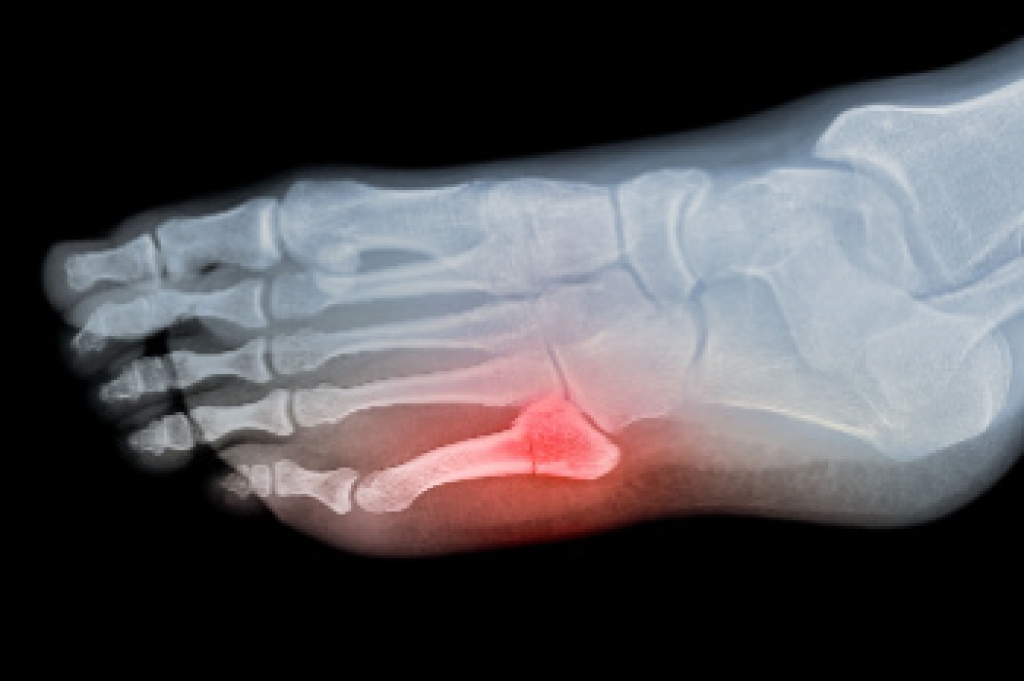
Stepping on a sharp object can lead to a puncture wound, which is different from a simple cut or scrape. These injuries often push debris deep beneath the skin, increasing the risk of infection. Even if the wound seems small, bacteria may have entered through the opening and caused hidden damage to deeper tissues. Common objects that cause these injuries include nails, glass, or splinters, often encountered outdoors or in work areas. Symptoms may not appear right away, but swelling, warmth, or pain may develop hours later. Footwear may prevent some injuries, but thin soles or walking barefoot raise the risk. Proper cleaning and medical evaluation are important to avoid serious complications such as abscesses or bone infections. If you have stepped on something sharp and the discomfort continues or worsens, it is suggested that you see a podiatrist to assess the injury and prevent further problems.
Wound care is an important part in dealing with diabetes. If you have diabetes and a foot wound or would like more information about wound care for diabetics, consult with one of our podiatrists from Greater Boston Foot Care, PLLC. Our doctors will assess your condition and provide you with quality foot and ankle treatment.
What Is Wound Care?
Wound care is the practice of taking proper care of a wound. This can range from the smallest to the largest of wounds. While everyone can benefit from proper wound care, it is much more important for diabetics. Diabetics often suffer from poor blood circulation which causes wounds to heal much slower than they would in a non-diabetic.
What Is the Importance of Wound Care?
While it may not seem apparent with small ulcers on the foot, for diabetics, any size ulcer can become infected. Diabetics often also suffer from neuropathy, or nerve loss. This means they might not even feel when they have an ulcer on their foot. If the wound becomes severely infected, amputation may be necessary. Therefore, it is of the upmost importance to properly care for any and all foot wounds.
How to Care for Wounds
The best way to care for foot wounds is to prevent them. For diabetics, this means daily inspections of the feet for any signs of abnormalities or ulcers. It is also recommended to see a podiatrist several times a year for a foot inspection. If you do have an ulcer, run the wound under water to clear dirt from the wound; then apply antibiotic ointment to the wound and cover with a bandage. Bandages should be changed daily and keeping pressure off the wound is smart. It is advised to see a podiatrist, who can keep an eye on it.
If you have any questions please contact our office located in Plymouth, MA . We offer the newest diagnostic and treatment technologies for all your foot and ankle needs.
Connect With Us